

PTSD & cPTSD
Trauma Recovery
According to the National Violence Against Women Prevention Research Center, about 30% of all sexually assault survivors will develop PTSD or cPTSD in thier lifetime. On average, there are 433,648 victims (age 12 or older) of rape and sexual assault EACH YEAR in the United States (www.rainin.org) - that's 130,095 people per year that will likely develop PTSD in thier lifetime. The debilitating mental and physical aftermath from sexual assault can last a lifetime - we are here to help survivors of the Pacific Northwest regain the skills and confidence they need to lead a happy and productive life.
cPTSD
enduring trauma & reclaiming power
Sexual assault and domestic violence are deeply traumatic experiences that can have long-lasting psychological effects, particularly when the trauma is repeated or prolonged. Survivors often face not only the immediate aftermath of fear, shame, and emotional distress, but also the potential development of Complex Post-Traumatic Stress Disorder (CPTSD). Unlike standard PTSD, which typically stems from a single traumatic event, CPTSD arises from chronic trauma—such as ongoing abuse or repeated assaults—and can disrupt a person’s sense of identity, emotional regulation, and ability to form healthy relationships. Survivors may experience emotional flashbacks, hypervigilance, dissociation, and a persistent sense of worthlessness or defeat. Healing from CPTSD requires compassionate, trauma-informed care that acknowledges the depth of the survivor’s experience and supports them in reclaiming safety, agency, and connection.
Assistance
healing begins with the heartbeat beside you
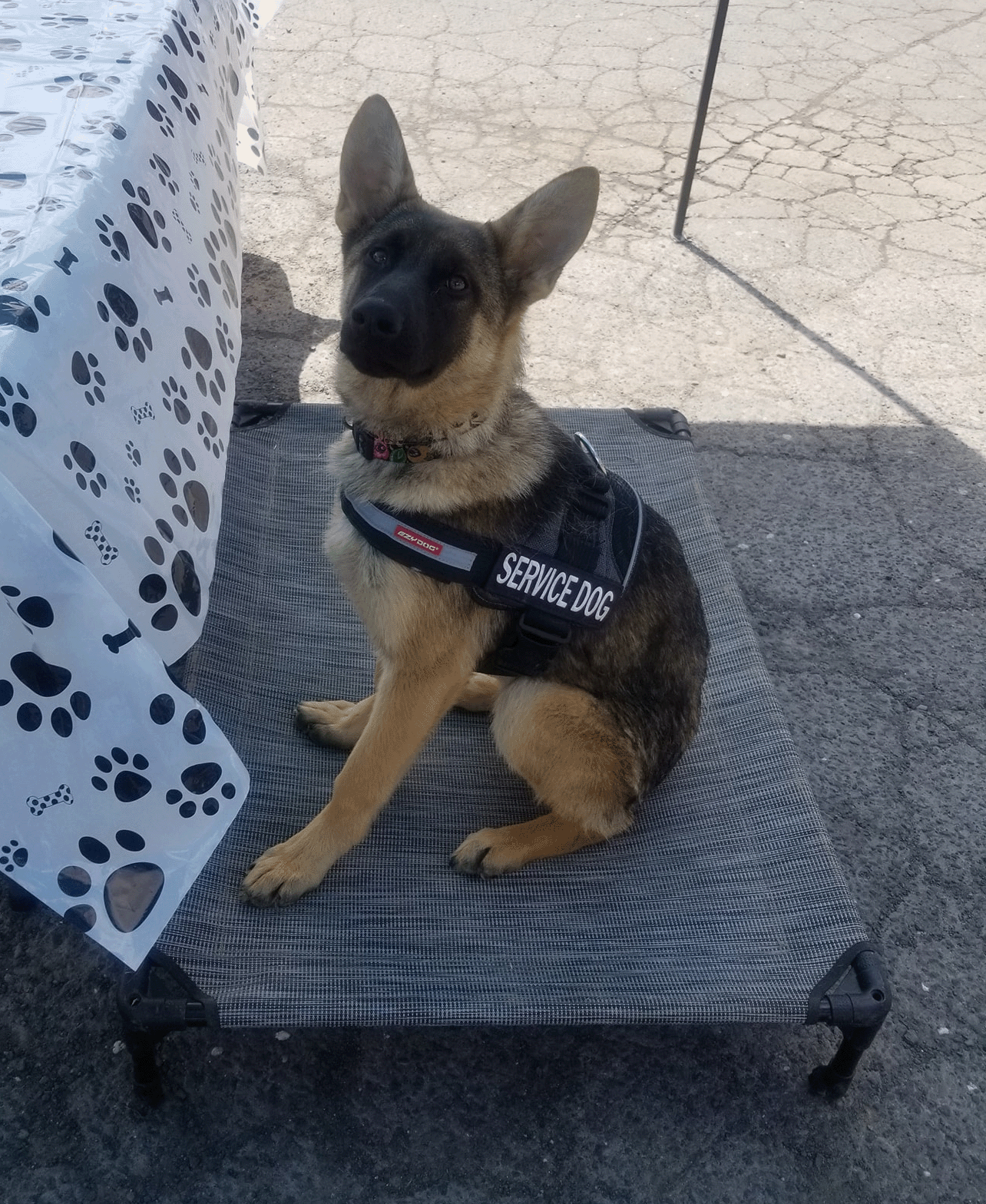
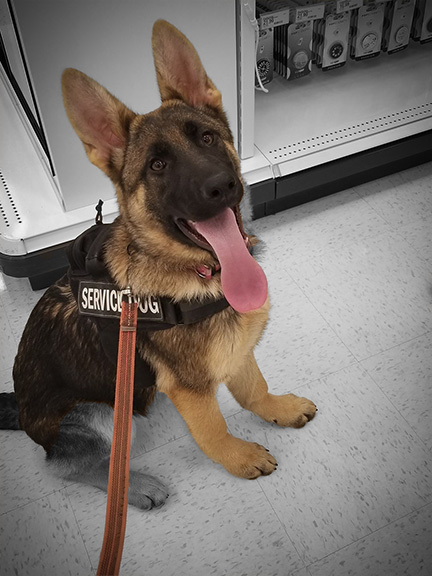
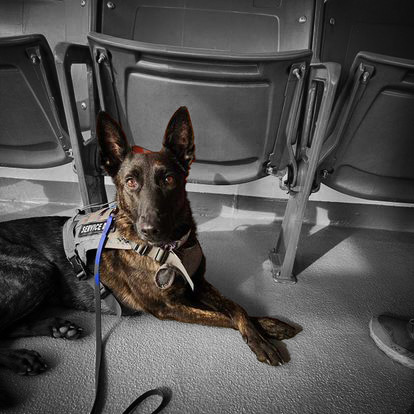
For survivors of sexual assault living with PTSD, a service dog can be a transformative partner in recovery. These highly trained companions offer more than comfort—they provide critical emotional regulation, grounding during flashbacks, and a sense of safety in public spaces. By learning to anticipate panic responses, interrupt dissociation, and create physical boundaries, service dogs help survivors reclaim autonomy and rebuild trust in the world around them. Their presence can ease the isolation that often follows trauma, making therapy more accessible and daily life more manageable. In this bond, healing becomes not just possible—but powerfully supported.
Safety, Recovery & Resilience
Need help training your own service dog? Contact us - we can help.